
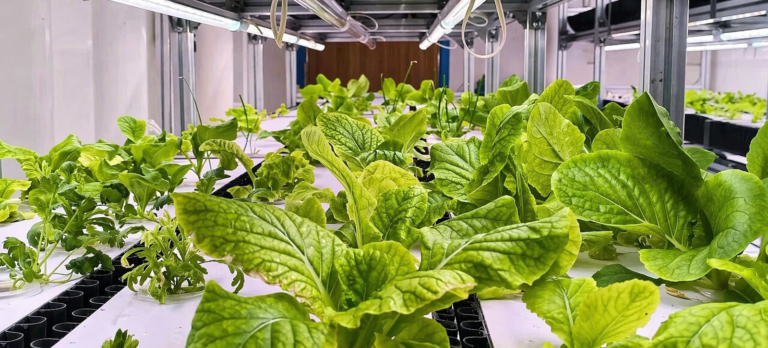
Hydroponic Nutrient Monitoring: pH, EC and Automation
Learn how to monitor hydroponic pH, EC, oxygen and water conditions, and what to check before selecting sensors and automated nutrient dosing equipment.
Start with standard racks, cabinets, towers and supporting equipment for a defined indoor growing space.

Modular racks and cultivation components configured for your growing space.

Enclosed growing systems selected for commercial spaces and indoor projects.
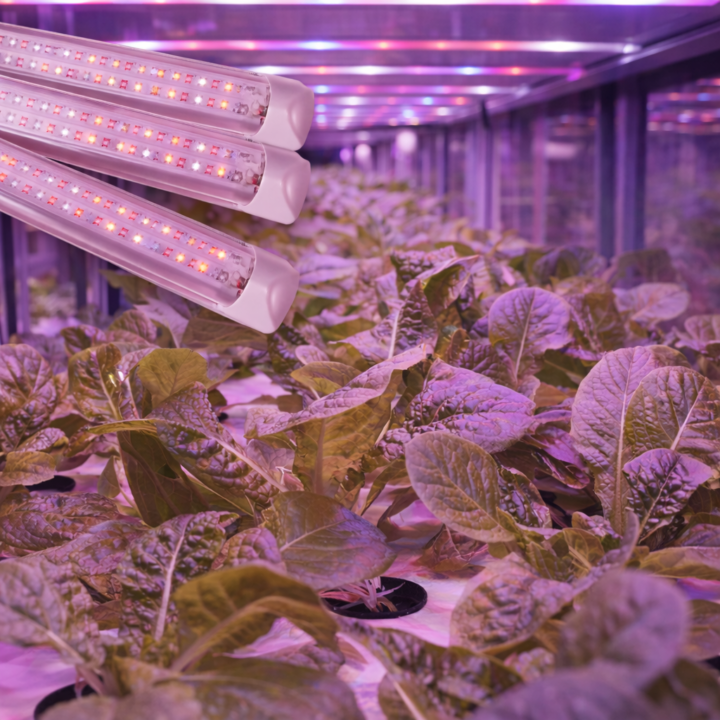
Lighting selected around rack dimensions, mounting, power and growing requirements.

Planted wall modules and irrigation components for commercial interiors.
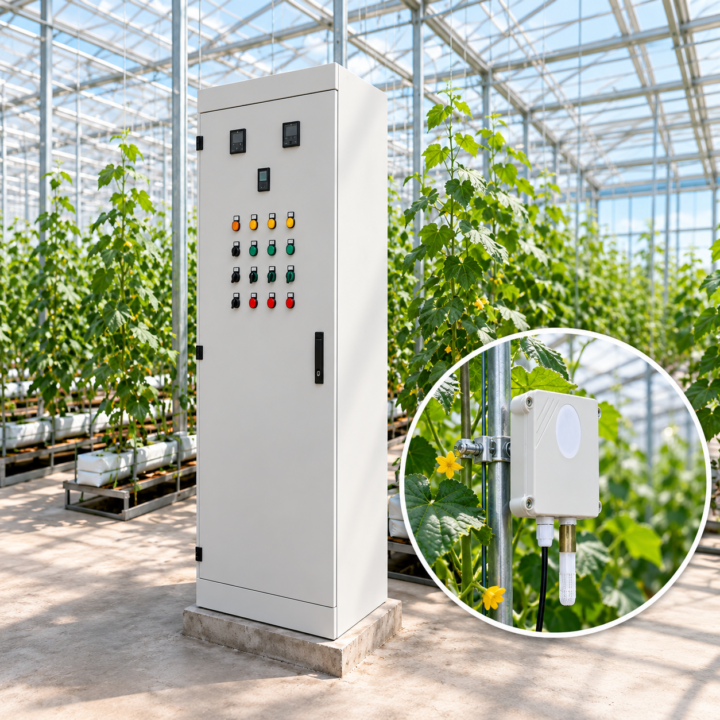
Environmental sensors, nutrient-solution monitoring and compatible equipment controls.
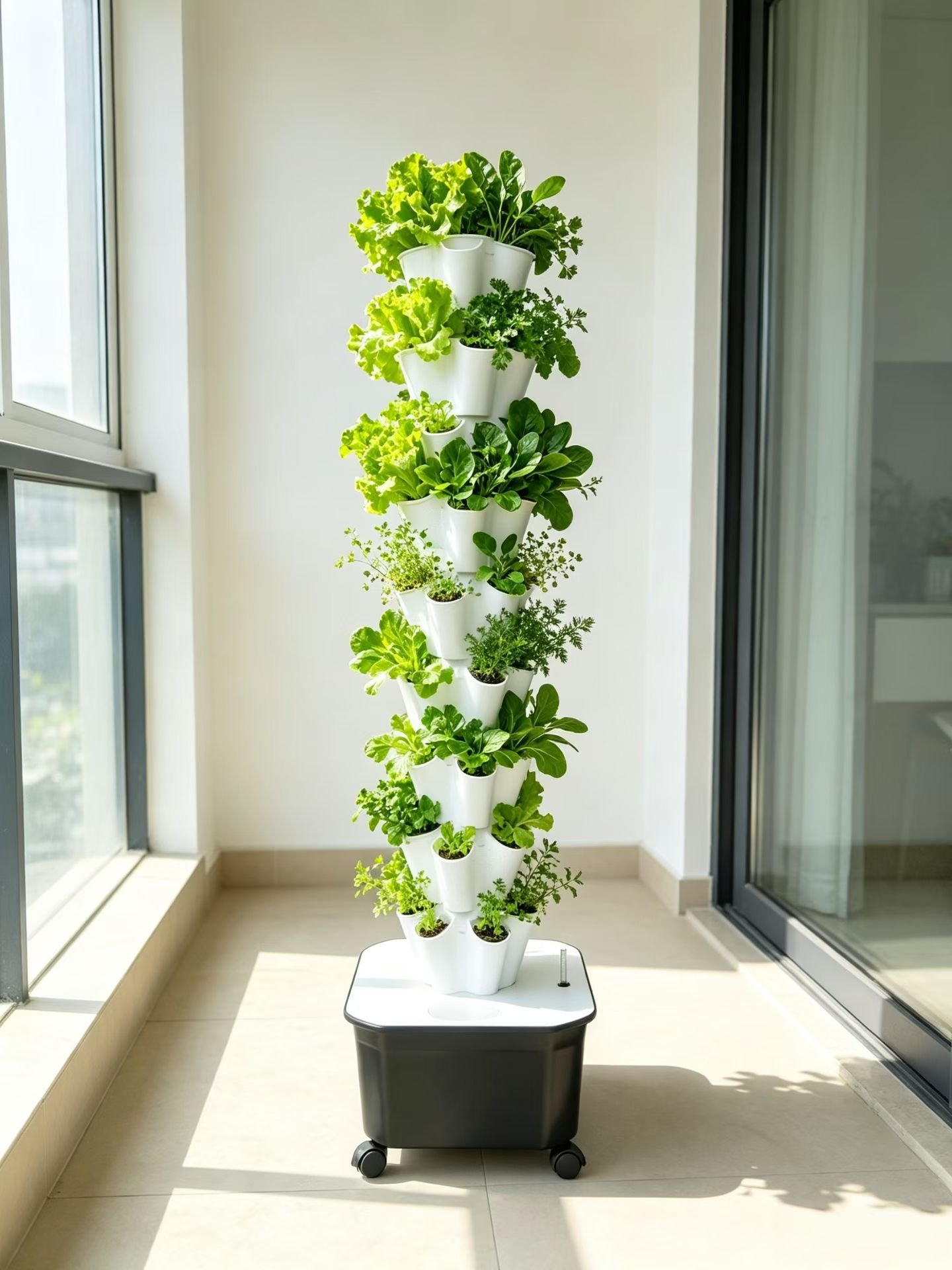
Growing tower configurations for distributors and resellers. Materials and quantities are confirmed by model.
For overseas equipment suppliers and local project partners, as well as commercial operators sourcing directly.
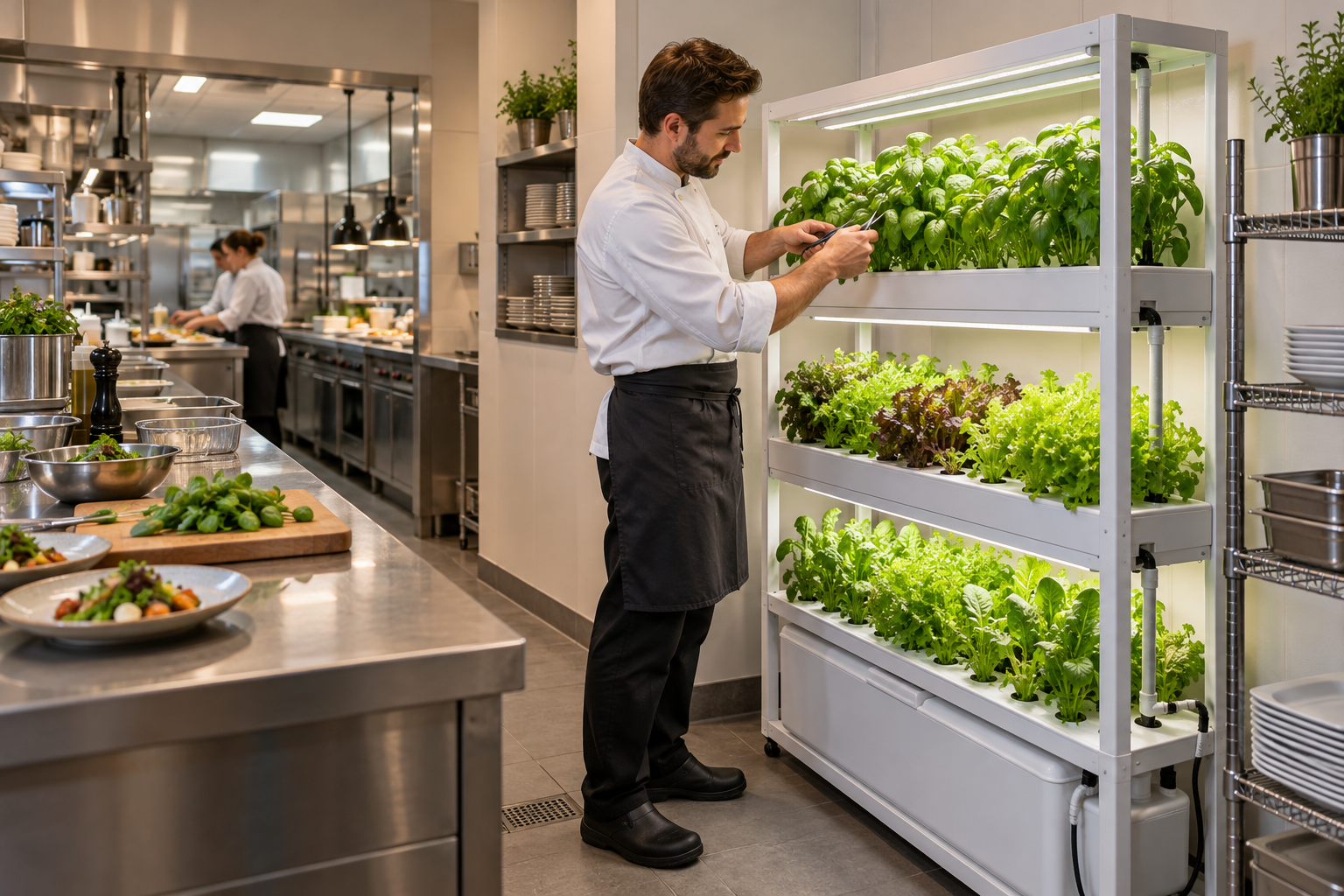
Bring visible herb and leafy-green growing into restaurant, hotel and food-service projects—with space, presentation and staff routines considered.

Create practical learning spaces where students can observe cultivation, compare conditions and work with growing data.
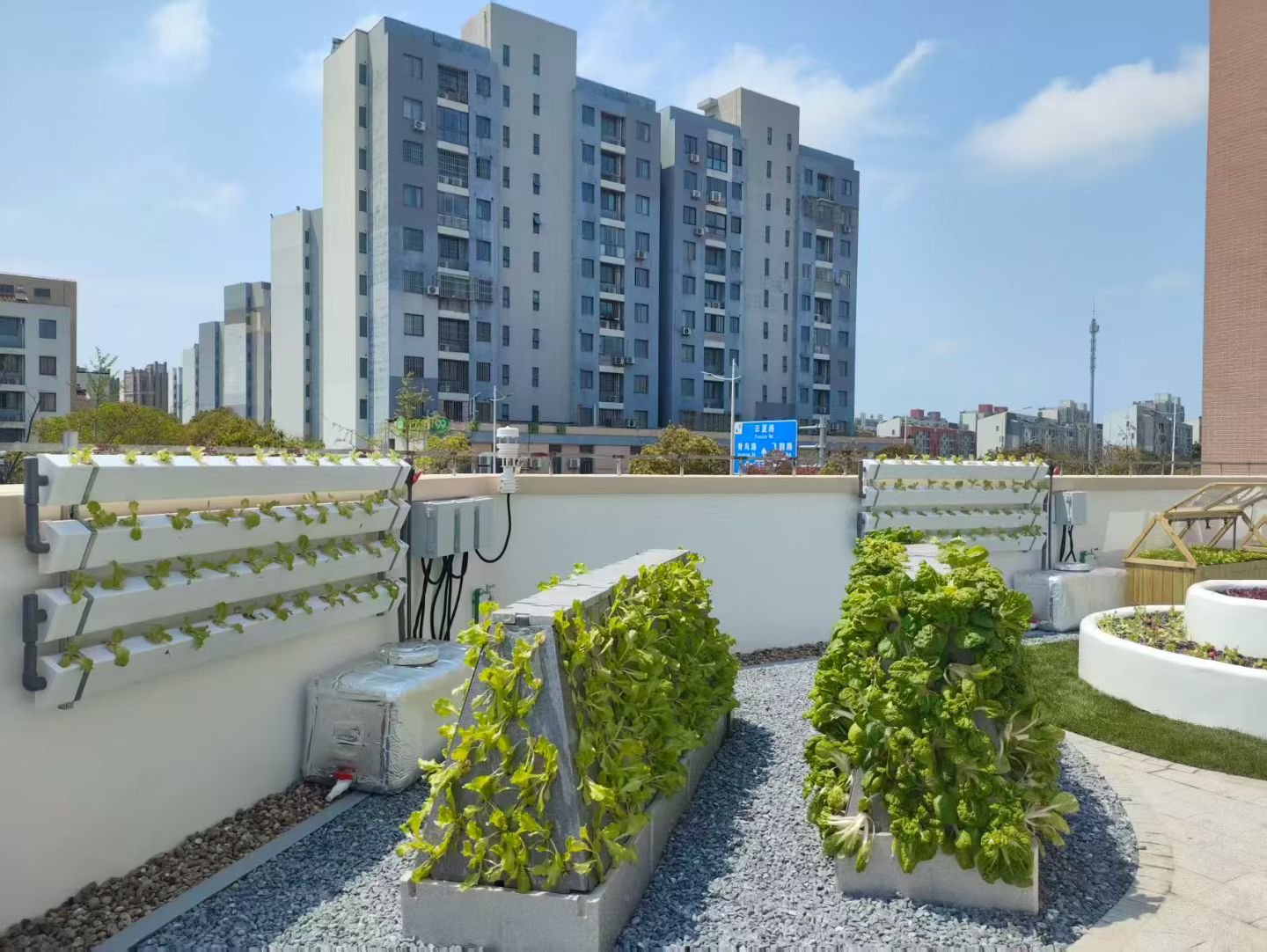
Bring productive planting into rooftops, courtyards and shared urban spaces, with hydroponic systems configured around your landscape and maintenance needs.
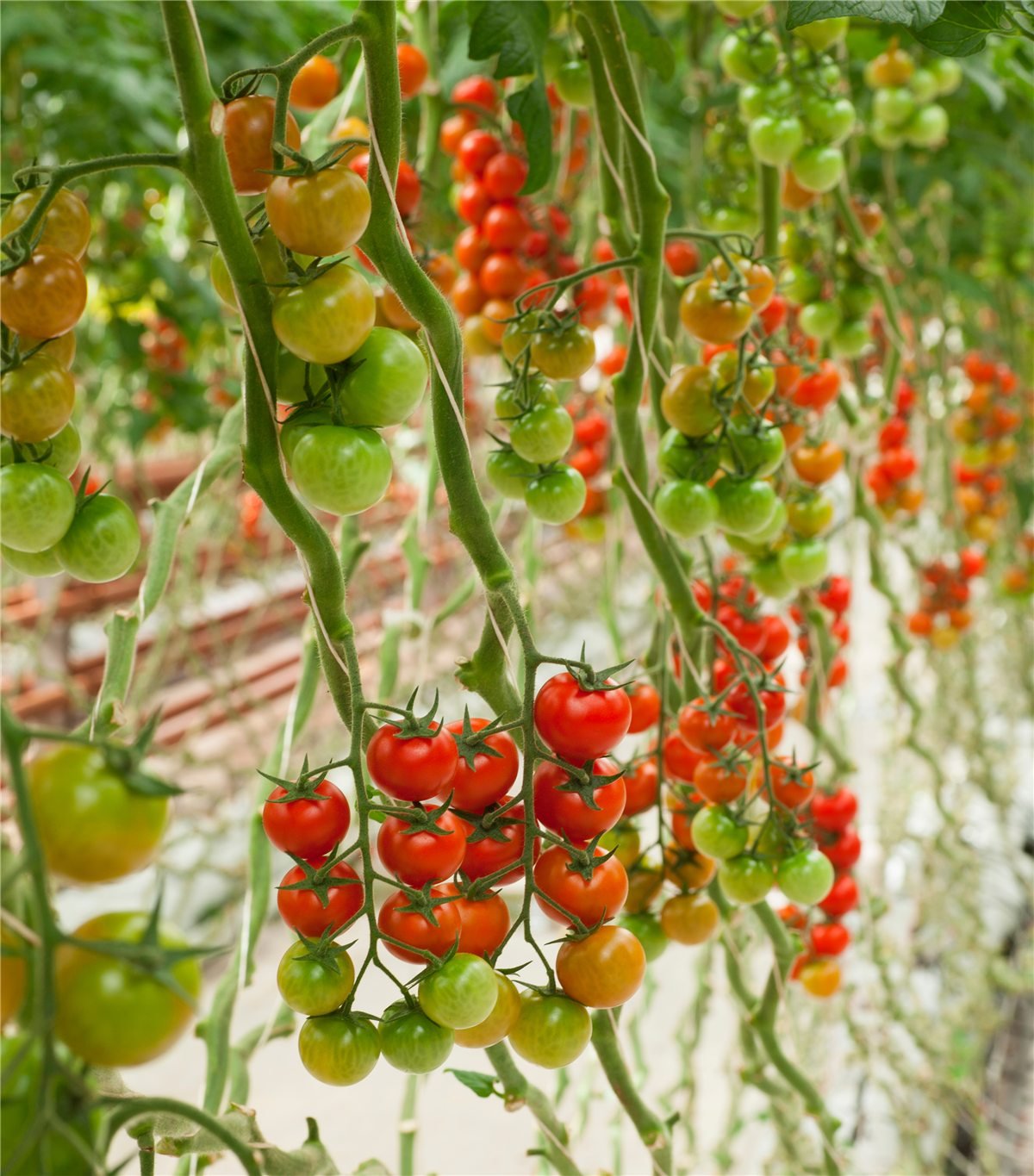
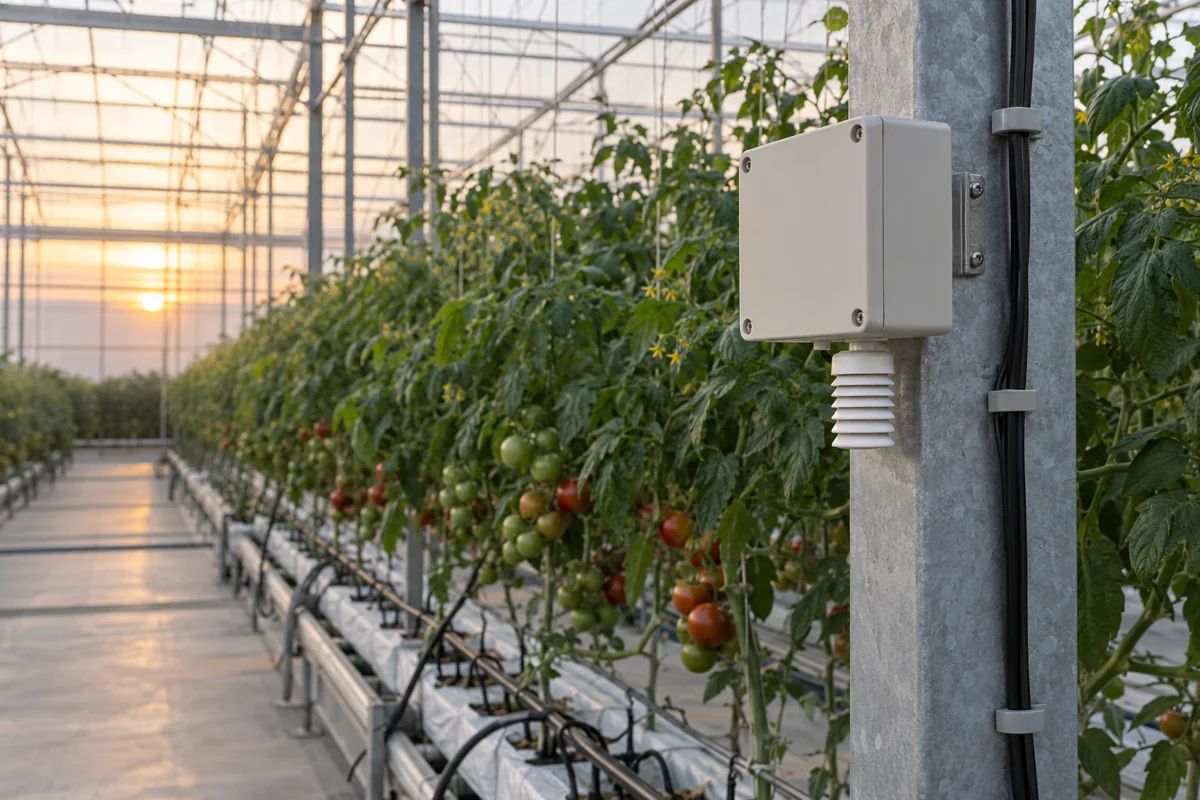
Help project partners turn existing growing spaces into measurable operations, with defined data needs and integration requirements.
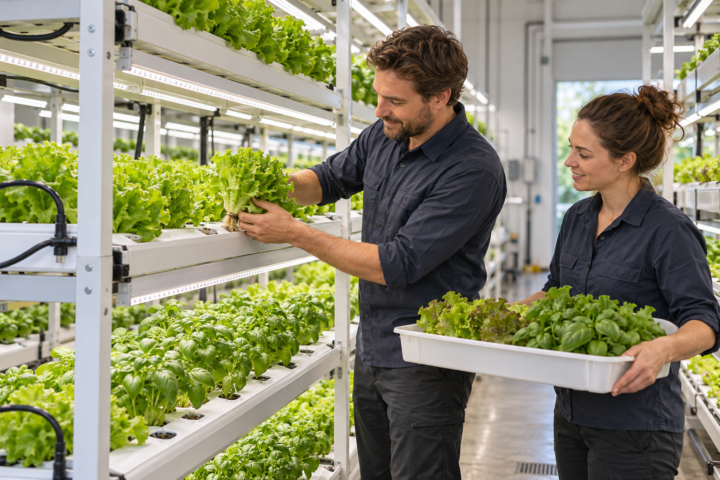
Plan commercial growing spaces around working aisles, crop routines, maintenance access and the realities of an enclosed site.
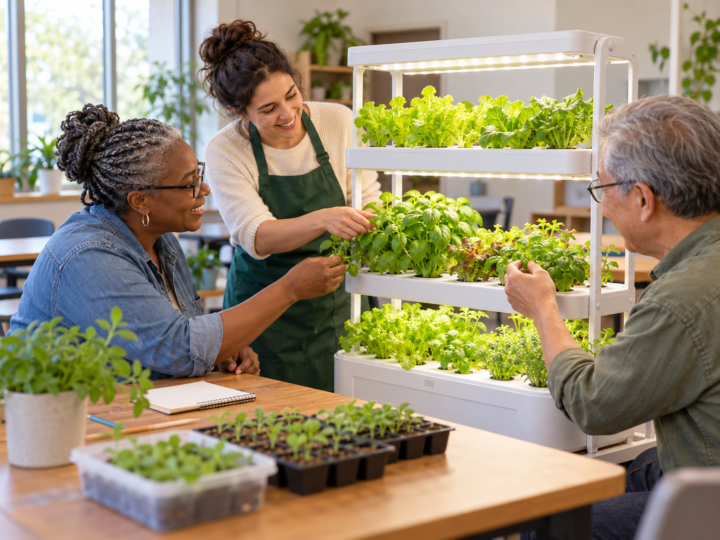
Create shared growing spaces for community gardens, public facilities and senior living settings, encouraging hands-on learning and social interaction.
Clarify the equipment and requested changes with supplier technical support. Any layout work is agreed separately.
Match racks, cultivation modules, lighting, sensors and controls to the agreed project requirements.
Coordinate selected equipment and complementary components through our Foshan-based supplier network.
Review available dimensions, electrical options and product modifications with the relevant supplier before quotation.
Arrange selected samples and agree the functional or interface checks needed before a larger order.
Agree inspection checkpoints, packing requirements and available delivery documentation for the selected order.
Provide agreed equipment setup documents and online guidance for your team or local installation partner.
Identify compatible replacement components and agree spare-part availability and support scope with the order.
We work remotely with your local team. Site construction, on-site installation and day-to-day crop operation are handled by the appointed local parties.
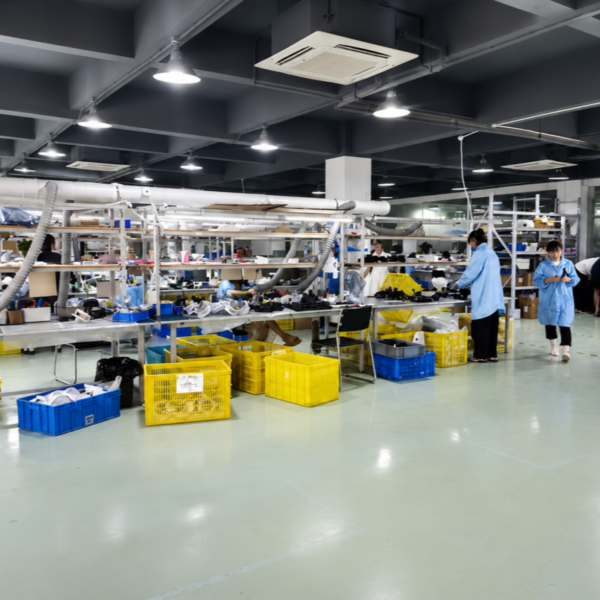
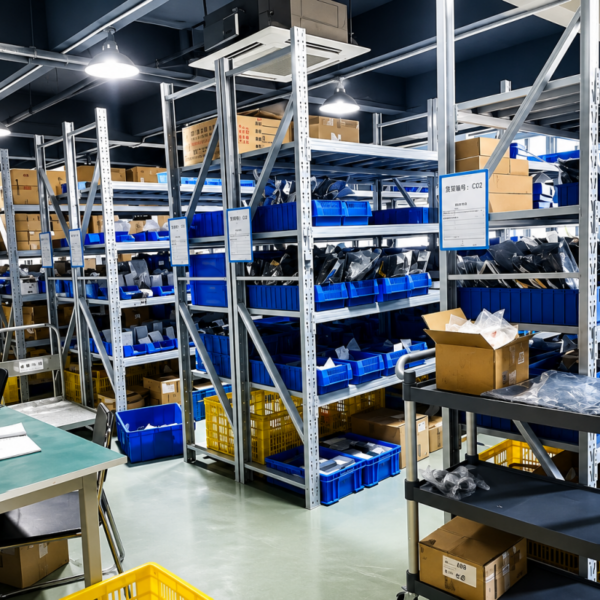
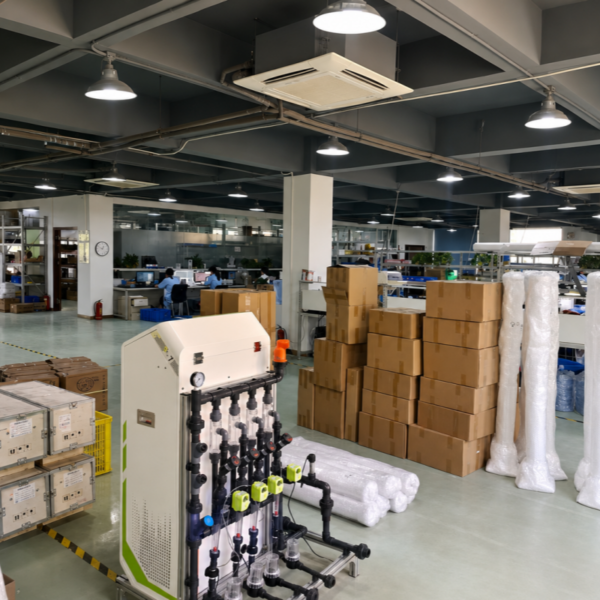
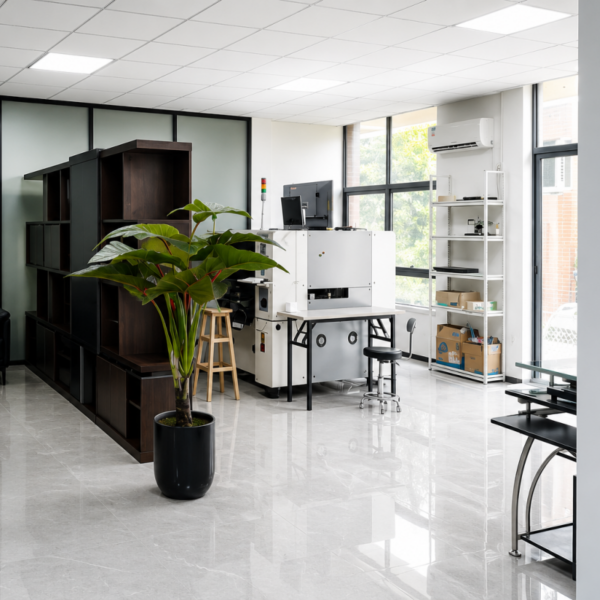
Learn how to monitor hydroponic pH, EC, oxygen and water conditions, and what to check before selecting sensors and automated nutrient dosing equipment.
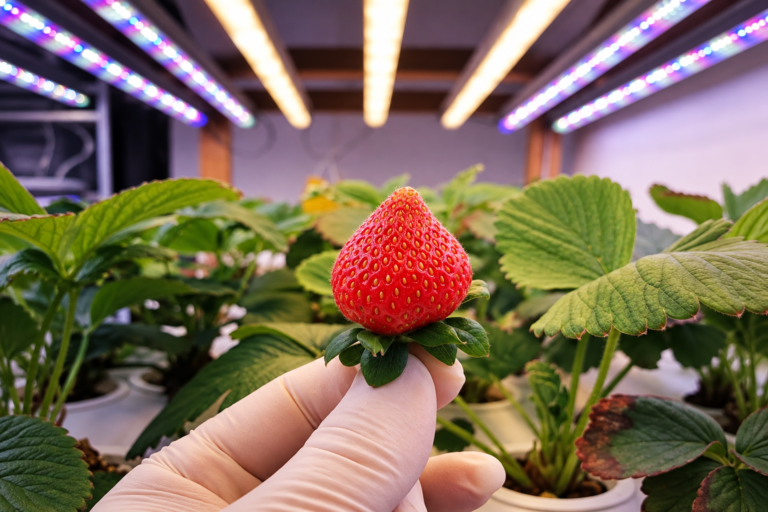
Plan indoor strawberry farming around hydroponic systems, facility layout, LED lighting, crop protection, pollination and climate control.
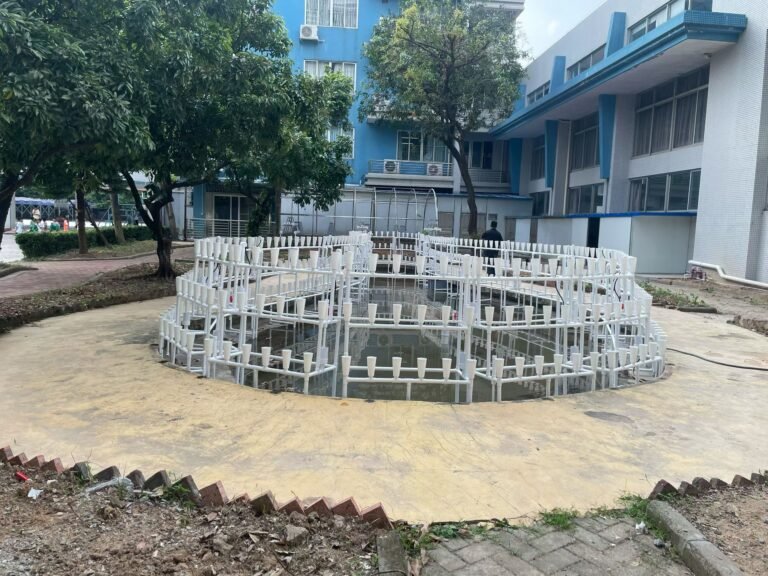
A school hydroponic garden can be both a landscape feature and a practical learning space. Explore equipment choices, teaching activities, maintenance and project planning.